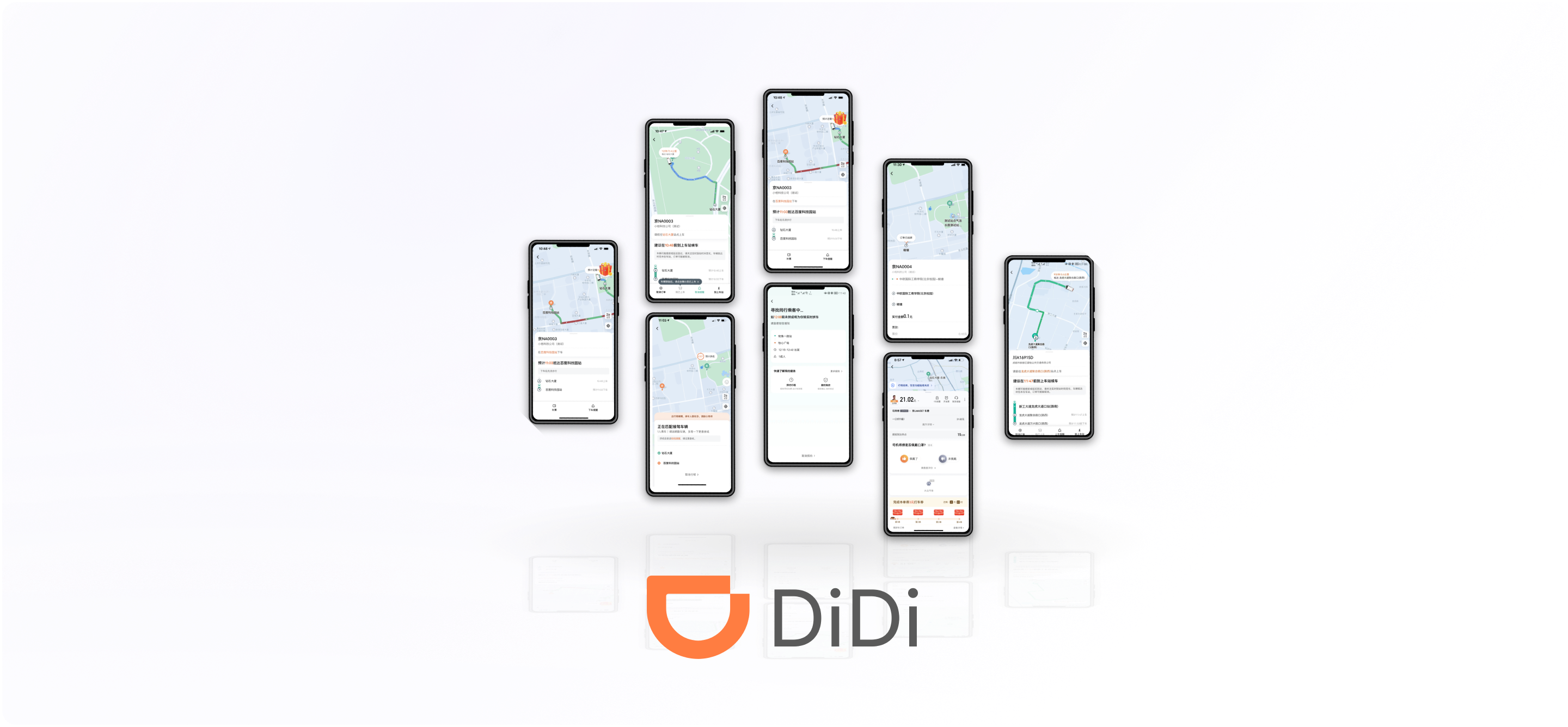
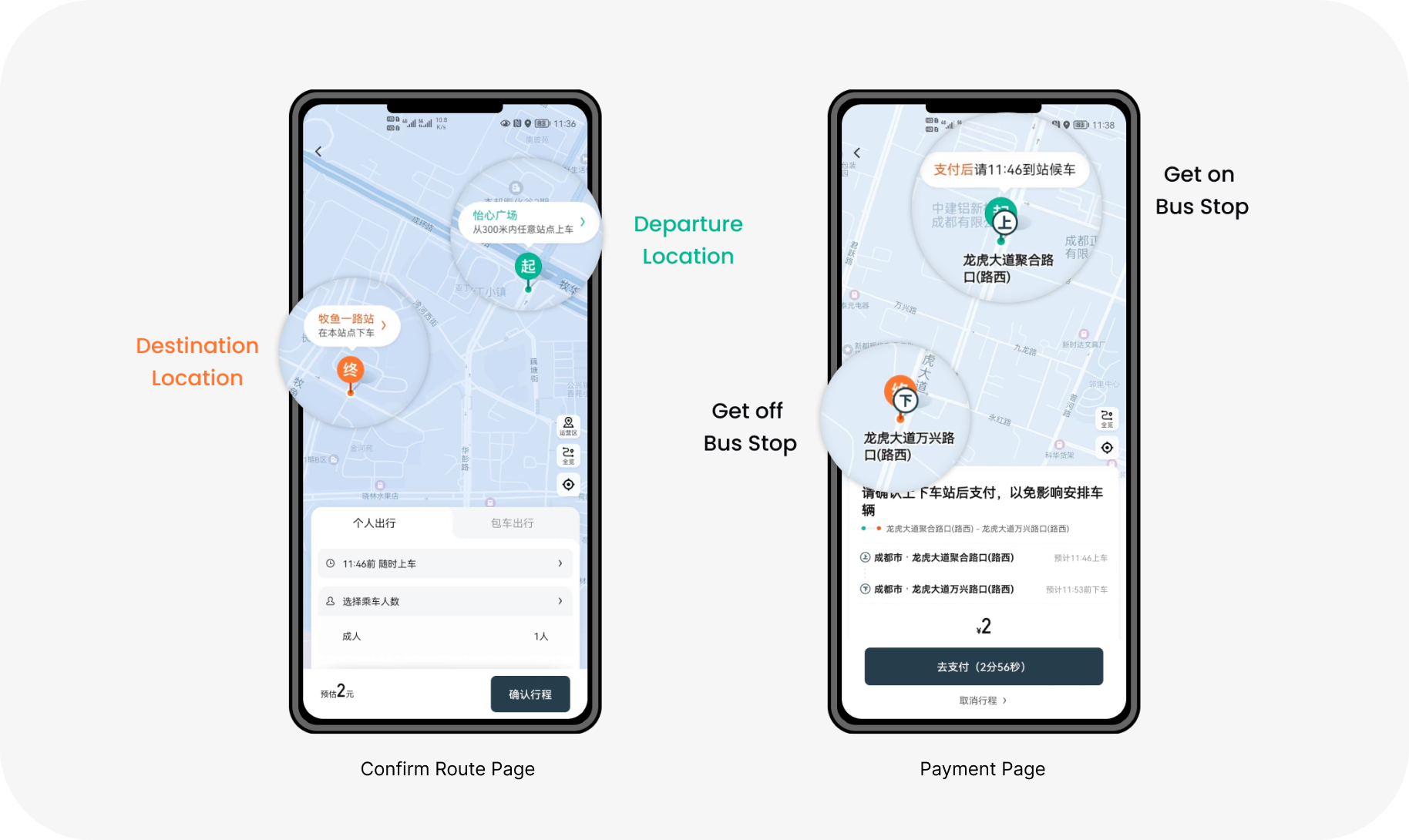
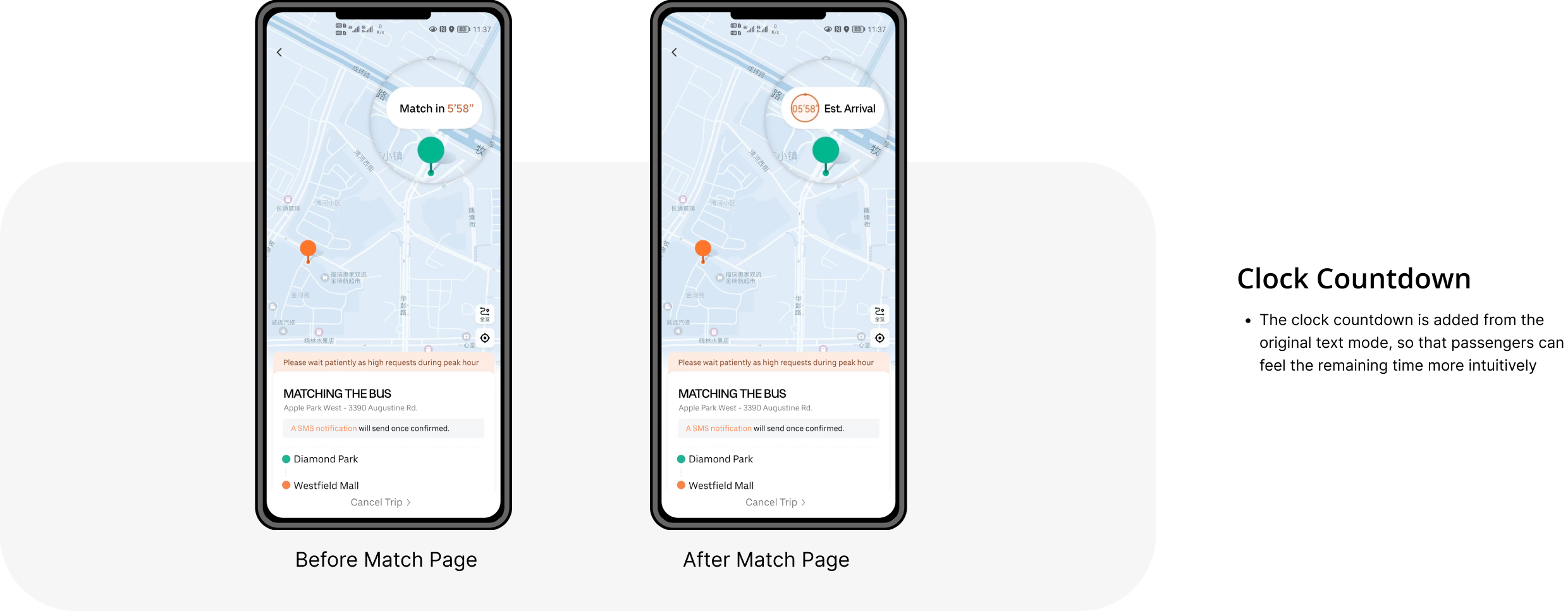
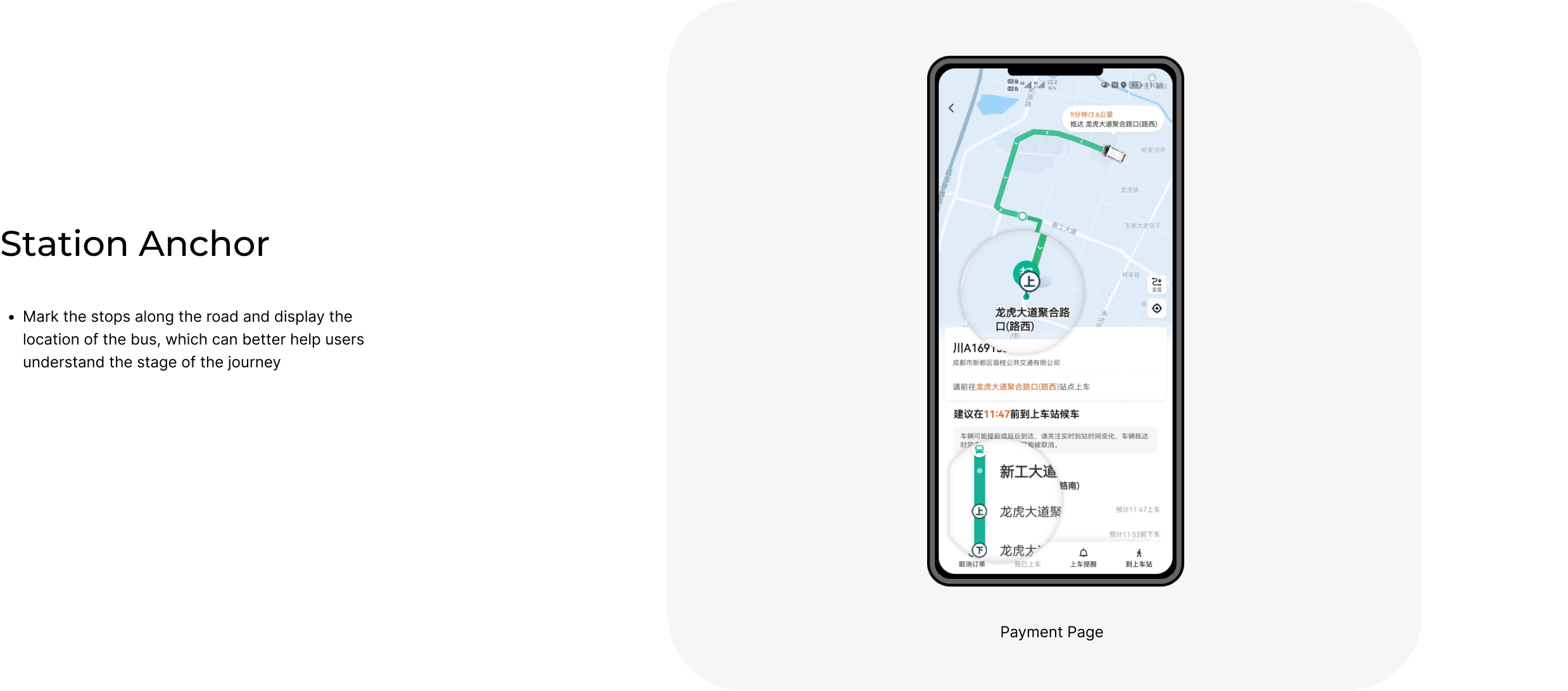
I worked on the Didi Dynamic Bus Product during my internship. It's a real-time bus dispatching system that combines the ride-share with the public transit solution. Our users send the commute demand on the Didi mobile app during the peak hours, and the back end will calculate the need and match the bus nearby. The Didi app will display the nearest bus stop, arriving time and walking route and distance to the stop on the user end; Meanwhile, Didi will give the solution for the bus driver to pick-up the passenger on a non-fixed route.
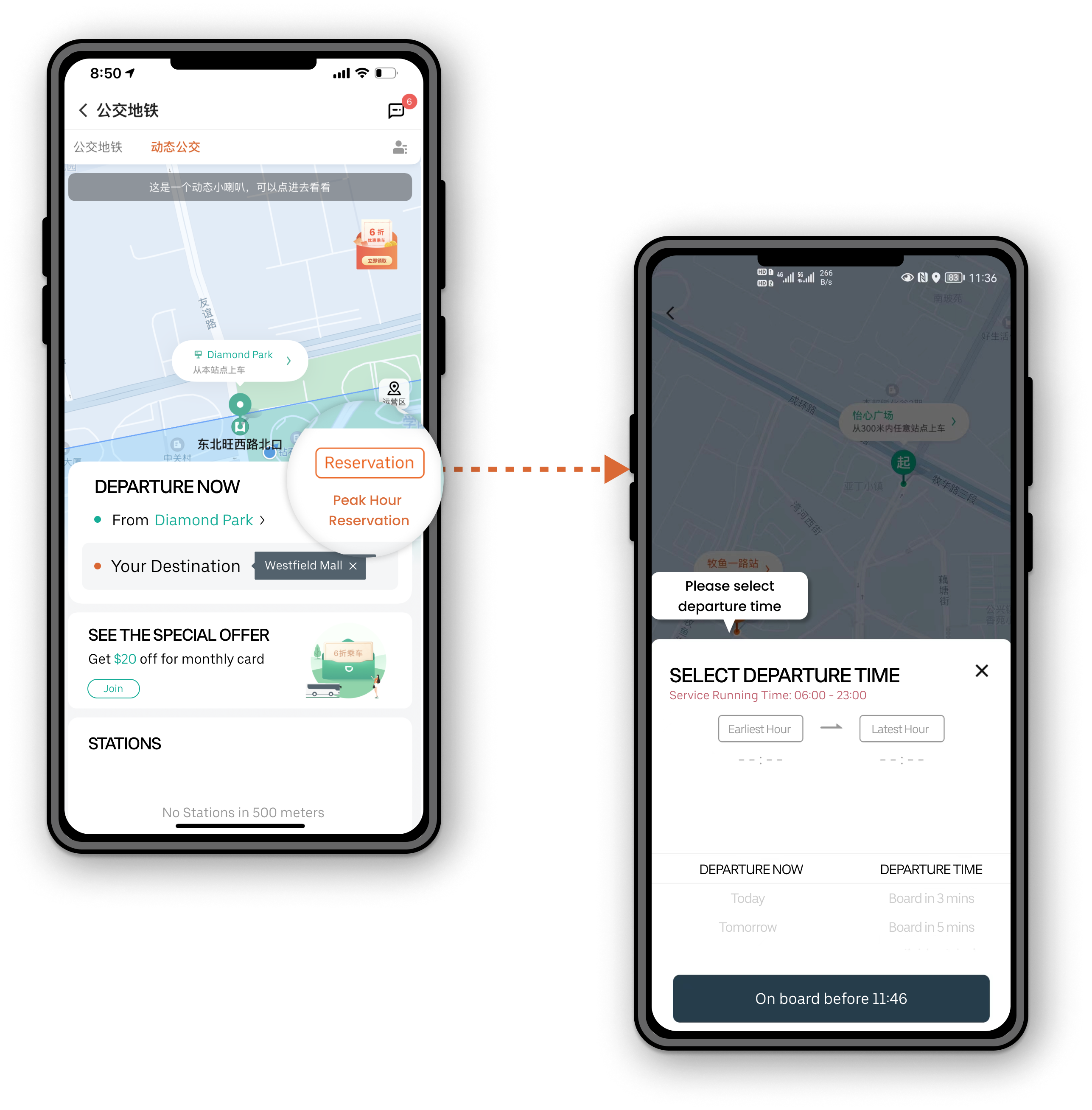
DRT is a public transit where passengers use phones to reserve a bus in available areas. Only system-provided stops can be used. Travel time varies. Passenger requests with departure time. System matches info and displays details if successful, otherwise, reservation fails. Service can't guarantee needs met due to bus availability and passenger conditions.
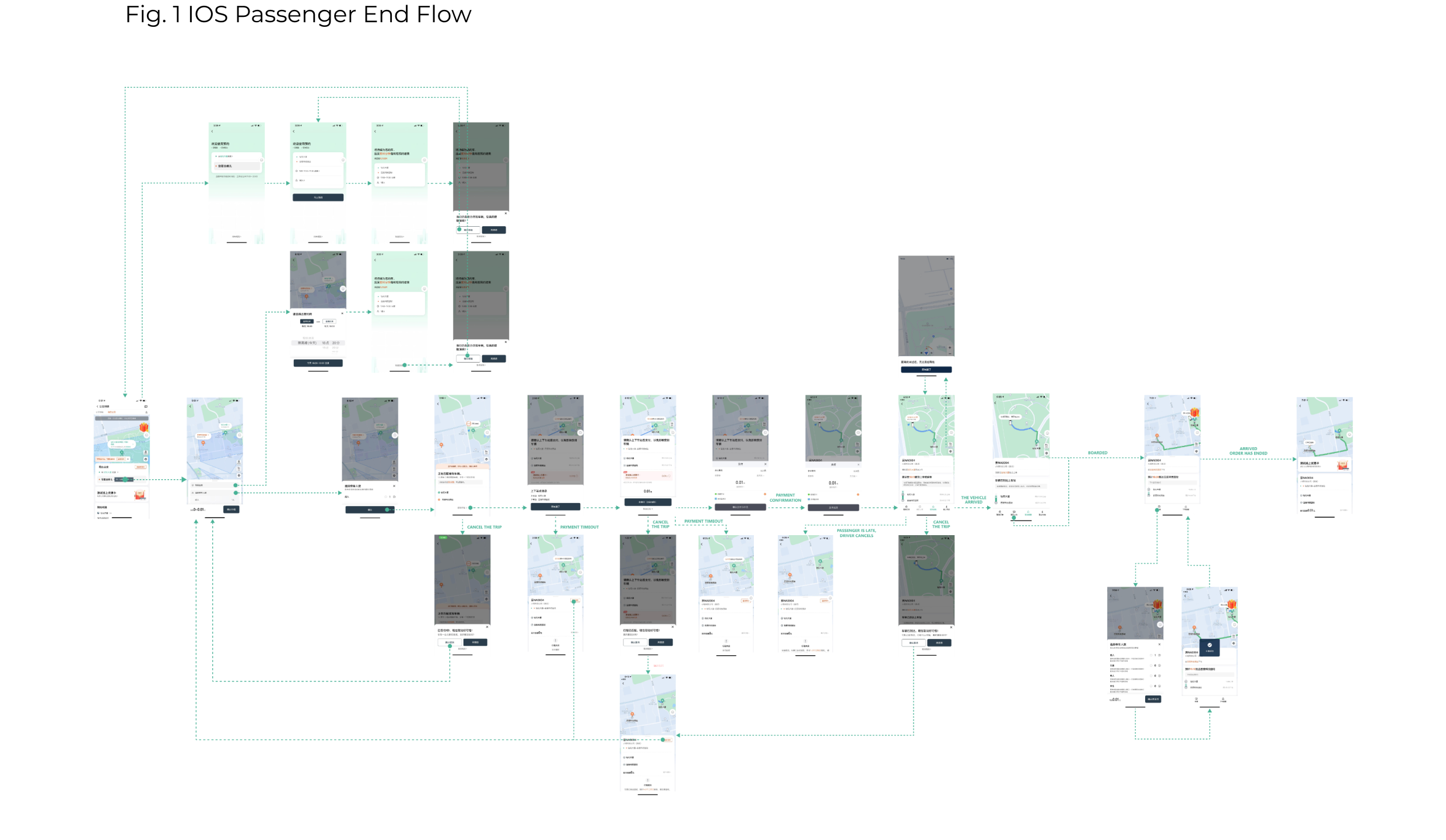
The special nature of responsive transit makes it less likely to match and more likely to fail to match. In order to alleviate the frustration of failed matches and maintain user stickiness. We try to make the user experience of match failure more acceptable for user.
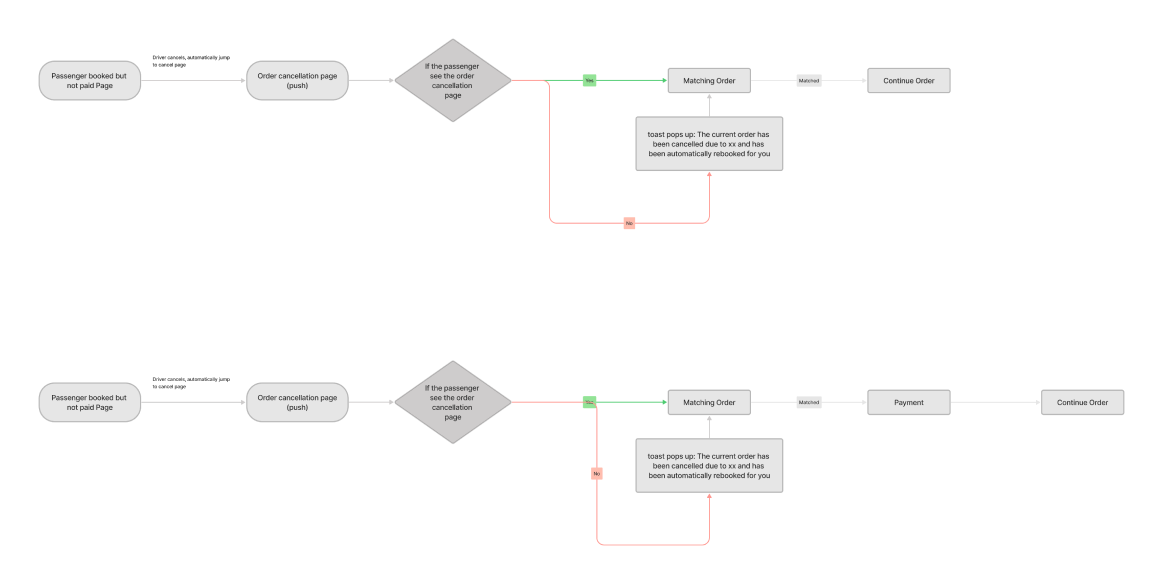
The following is one of our flow charts of failed matches. To alleviate the frustration of failed matches, we take the first step to help the paid user to re-match the bus and raise the matching priority of the user so that they can find a new match as soon as possible.
Starting a new product is often difficult to maintain customers, especially when making such innovative products, there are always many failures and customer FAILURES. failures are not terrible, but user feedback from every cancelled user is crucial. However, in modern products, most users do not have the patience to fill out a questionnaire or even to choose an answer when facing a cancellation survey. In the product analysis of Drip, we had gotten data that the cancellation feedback was only 55% accurate.Instead of a questionnaire, we used a "guess your reason for cancellation" model combined with data to improve the accuracy of collecting user feedback.
.png)
.png)
.png)
As a product designer, my internship at Didi provided me with a deep understanding of the complexities involved in developing processes within a typical tech company. Being part of a company with an impressive 493 million global active users in 2021 was a unique opportunity to contribute to designing products for a thriving organization. Through my involvement in product strategy during my internships, I gained invaluable knowledge and developed a heightened awareness of the multifaceted challenges faced by product designers on a daily basis. This experience not only strengthened my design skills, but also improved my ability to collaborate with cross-functional teams and leverage user insights to make informed product decisions. Overall, this experience has been instrumental in preparing me for a successful career as a product designer.